Showing posts with label Blogs in English. Show all posts

How can we say that India has a very large network of railways?

 Global history of the train

The train is the most successful, safe and cheapest transport facility in the world. As a passenger or freighter, it has been an integral part of every country's economic, social and industrial development for many years. Wagonways and Hand propelled cars began extracting minerals from various mines as early as the 1500's, in which a freight box was pulled on a four-wheeled track and used horses, mules or laborers. The steam locomotive, or steam engine, was used by the British inventor Richard Trevithick in 1804 to haul a box on a strong iron rail and thus a journey of train around the world had started.

When and why the British laid the foundation of railway line in India?

Steam trains became very famous in Britain and at that time India was also ruled by the British so they too needed a fast, accurate and safe mode of transportation to do business in India and to administrate or to travel to a big country. In 1844, Indian Governor General, Lord Dalhousie allows private entrepreneur to set up railway system in India. Two new private companies were formed and asked to help the East India Company, which helped set up a very fast railway network in India with the help of many British investors. So in just 8 years, on 16th April 1853, the first railway journey of India started from Boribander, Mumbai, covering a distance of 34 km to Thane with 14 coaches. Dalhousie, who laid postal stamps and 4,000 telegraph lines alongside the railways in India, was recognized as the architect of modern India at the time.

By 1880, the British had established 14,500 km of railway line in India. At that time, Mumbai, Madras and Calcutta, the major cities of India and considered as British camps, were annexed to facilitate the management and trade of the whole of India. By 1895, India had become a hub for the manufacture of steam engines and other railway equipment by the British so that supplies could be delivered from India to other British ruled countries.

How did the railway revolution take place in India in the 19th century?

In the early 19th century, several princely states of India also started building their own railway network in their states, mainly Assam, Rajasthan and Andhra Pradesh. With the independence of India, various states and kingdoms of India, seeing the advantages of this railway network and wanting to provide fast, accurate and safe transportation to their state, started signing agreements with many foreign private companies to set up railways. It was during the First World War that the electric railway locomotives began to arrive, which led to the establishment of a large number of electric lines and power stations in India.

How did the British use Indian Railways during World War II?

During the First and Second World Wars, the British government had established the largest railway network in the northwest and east of India as it supplied various goods and other necessities from India to other countries. As the network extended to various neighboring countries of India and other countries, huge quantities of goods, ammunition, medicines, soldiers and other necessities were transported through this railway network from various parts of India during World War II. The place which was once a railway workshop and where trains, coaches and other essential railway goods were made, was turned into an ammunition workshop by the British. By the time India became independent in 1947, the war-torn railway line to the Middle East had become part of Pakistan and so Pakistan did not need to make any major changes to its railway lines to this day.

How India's railway network became one after independence and its development

At the time of India's independence a total of 42 different railway networks were spread in our country out of which 32 networks were set up only by other princely states. After independence, when 565 princely states were annexed to India by Sardar Vallabhbhai Patel, all these railway lines were connected and Indian Railways was established. This system was also change in 1951 in 6 different zones which has been implemented since 1952. As country developed after independence, India's railway network was automatically upgraded.

By 1985, all railway goods, from locomotives to systems, began to be manufactured in India, and instead of inefficient steam engines, diesel and electric locomotives began to run on Indian tracks. In 1995, Indian Railways was equipped with computerized reservations so that train tickets running between different regions of the country could be obtained by anyone from anywhere in the country.

What is the Indian railway network like today?

The Indian Railway Network is one of the largest railway networks in the world operated by the Government of India. To date, the railway network is the only largest single mode of transport in India. India today has a total of 1,26,366 km of railway network in operation which makes India proud to have the fourth largest network in the world. Today, Indian Railways carries 810 million passengers and 125 million tons of goods from one place to another every year. To this end, Indian Railways operates about 1 lakh passenger trains daily from 7,325 stations across India. In this way, 8,479 freight trains run in a day for goods for India's trade and industry afloat.

Indian Railways trains

The average speed of passenger trains in India is 50.6 km / hr while the Vande Bharat Express running between Delhi and Varanasi is 180 km / hr and the maximum speed of high speed express running from Delhi to Jhansi is 160 km / hr. Apart from this, Shatabdi and Rajdhani trains running between major cities of India have been running at a speed of 150 km / hr for years. Indian Railways has also come very close to the Mumbai-Delhi bullet train project so that soon Indian Railways is also ready to reach out compared to the developed countries of the world.

Today the Indian railway network is divided into 17 zones for administrative purposes.

1. Northern Railway, 2. North Eastern Railway, 3. Northeast Frontier Railway, 4. Eastern Railway, 5.  South Eastern Railway, 6. South Central Railway, 7. Southern Railway, 8. Central Railway, 9. Western Railway, 10. South Western Railway, 11. North Western Railway, 12. West Central Railway, 13. North Central Railway, 14. South East Central Railway, 15. East Coast Railway, 16. East Central Railway, 17. Konkan Railway

Conclusion

In the 169-year history of Indian Railways, we consider the railway network, which is cheap, simple, safe and connected with public sentiment, as a gift given by the British. Today the railway department is providing world class level catering service, hotel service as well as tourism service from modern and technologically advanced stations. While the Railway Corporation of India is making an effort to be punctual day by day, we also need to help them maintain cleanliness while availing this service.

 Image Courtesy: Google Images

Dr. Hardik B. Ramani

Follow Me on YouTube: Knowledge4 All

Follow Me on Blogger: https://www.drhbramani.com/

Follow me on Facebook: https://www.facebook.com/drhbramani

Mo: 8980001554

Email: hardik.ramani@gmail.com


Science behind "sneezing", which is considered ominous and starts a cold.

    In the Corona epidemic, people all over the world have become very serious about their health and have become so aware that even if someone sneezes around, they put on their masks. Colds usually start with sneezing and frequent sneezing causes sore throat as well as sweet itching and runny nose. Sneezing is a common symptom of coronary heart disease or cold-fever. Do you know the reason for sneezing when no one in the world is sure to be deprived of this sneeze? And even today's seemingly unknown history, belief, and characteristic of sneezing should be discussed in today's article.

What is sneezing and why does it occur?

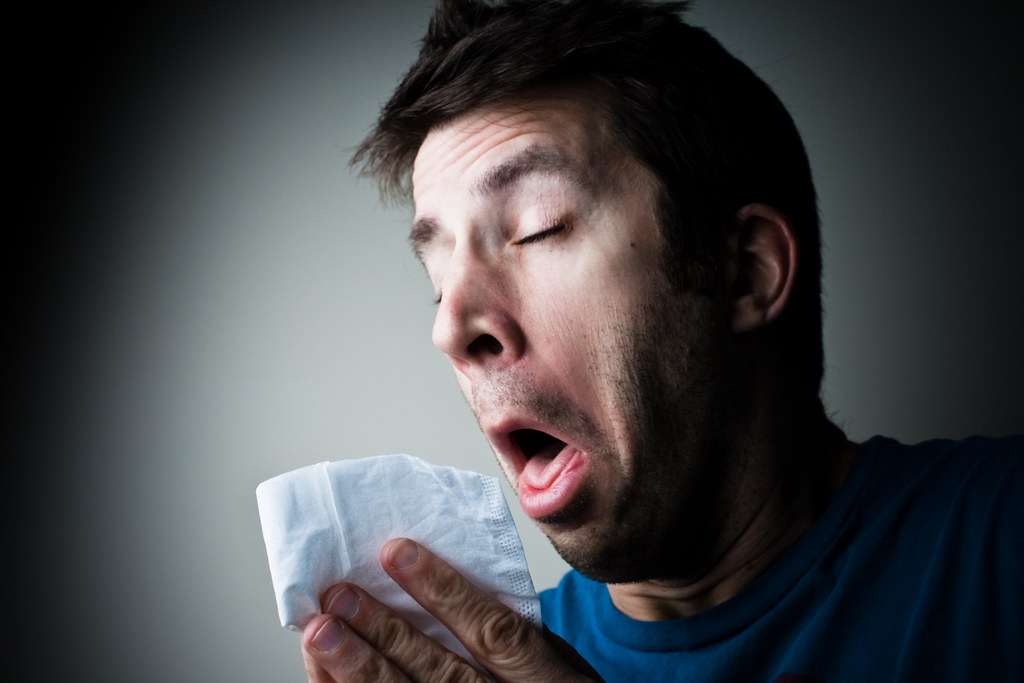
    Sneezing is an automatic process of our body in which air from the lungs is expelled through the nose or mouth at an enormous rate. This air travels 150 km through small nostrils and small nostrils. As it travels at a speed of more than an hour per hour, it also makes a loud noise which disturbs the people around and moves away. According to a research, there are more than 40,000 droplets in a single sneeze that are thrown by us into the surrounding environment.

    Sneezing usually occurs when an external object is itching on the inner wall of the nose and in that case the nose transmits this message to the brain and the brain commands many body tissues to expel the external object. The chest muscles, the diaphragm, the abdominal area, the vocal cords, the eyes, and the muscles at the back of your neck all play a major role in the full action of sneezing. When we have the onset of a cold, there is a slight swelling of the nasal wall due to a viral attack which causes a sweet itch which is signaled to be expelled by the brain which is a member of the nasal passages. The funniest thing about sneezing is that it never occurs when we are asleep because even the nerves in the nose are asleep and they cannot send any signal to the brain to sneeze.

    There are other possibilities for sneezing, such as sudden sneezing in the sun and sneezing in hot or cold weather. Many people have sneezing due to a full stomach but many people also sneeze due to various allergies but usually sneezing is a viral attack and the process of sneezing is due to small particles of dust passing through the nose.

Characteristics of sneezing

    Usually water, saliva, thin or thick cough inside our body through sneezing, viral germs can spread up to 2-3 feet in the air in more than 40,000 droplets which can also be seen in the picture below. The reason why sneezing was taught during the Corona epidemic was to use a mask to prevent the spread of the virus and how to sneeze. The size of the droplet that comes out during sneezing should be about 5 microns so that it can be absorbed into the air and pass into the breath of the person around.

Strange history and beliefs about sneezing

    The ominous sneeze also has a strange history in India and in many countries. In ancient Greece, sneezing was believed to be a sign of prophecy from the gods. At the end of a speech given to soldiers before a battle 2500 years ago, his general sneezed and the soldiers were believed to have been given auspicious gestures by their god. Even today, sneezing is seen as an auspicious sign in many parts of Europe. In some parts of East Asia, especially in Chinese, Korean, Japanese, and Vietnamese culture, sneezing for no apparent reason was generally considered to be a sign that someone was talking about your behind at that moment.

    In our country and in many other Asian countries it is considered inauspicious to sneeze at the beginning of a good deed and when that happens the deed is stopped for a while. In India and in many Muslim countries, it is customary for people to remember the name of their god after sneezing.

How can sneezing be prevented?

  •     Sneezing is an automatic process of the body which is a little difficult but not impossible to stop. Sneezing can be prevented in a number of ways, such as if you are aware of your allergies, such as (dust, particles, spices, cement, coal dust, wood dust, dyes or chemicals, perfumes, odors of certain metals, various pollen, animal hair or fur). The mask should be worn while staying or watching.
  •     If a person starts sneezing with his tongue, the sneezing often stops as well as pinching the nose with a finger or closing the throat by pressing the head to stop the sneezing. Usually hold your breath for a while after eating a sneeze or even breathing through the mouth instead of through the nose stops frequent sneezing.
  •     Sneezing often stops even with weird words like "pickles".
  •     Many people sneeze as soon as they take large chunks of food so they should start eating small chunks.
  •     If many people sneeze as soon as they are exposed to sunlight, they should be careful when exposing themselves to direct sunlight.
  •     Sneezing with the mouth closed removes saliva from the nose but is not recommended as it puts too much pressure on the head and is potentially harmful. Blocking sneezing completely can be fatal.

Safe way to sneeze

Cover your mouth and nose with a tissue or handkerchief when you cough or sneeze. Remember to use the tissue or handkerchief only once or be careful not to come in contact with others. If you do not have a handkerchief or tissue, sneeze with your elbows facing your mouth down so that germs or viruses stick to your hands and stop spreading.

Image Courtesy: https://live.staticflickr.com/3523/3208368220_6131694875_b.jpg

Dr. Hardik B. Ramani

Follow Me on YouTube: Knowledge4 All

Follow Me on Blogger: https://www.drhbramani.com/

Follow me on Facebook: https://www.facebook.com/drhbramani

Mo: 8980001554

Email: hardik.ramani@gmail.com
 

History of Kites & Festivals

 Who invented the kite?

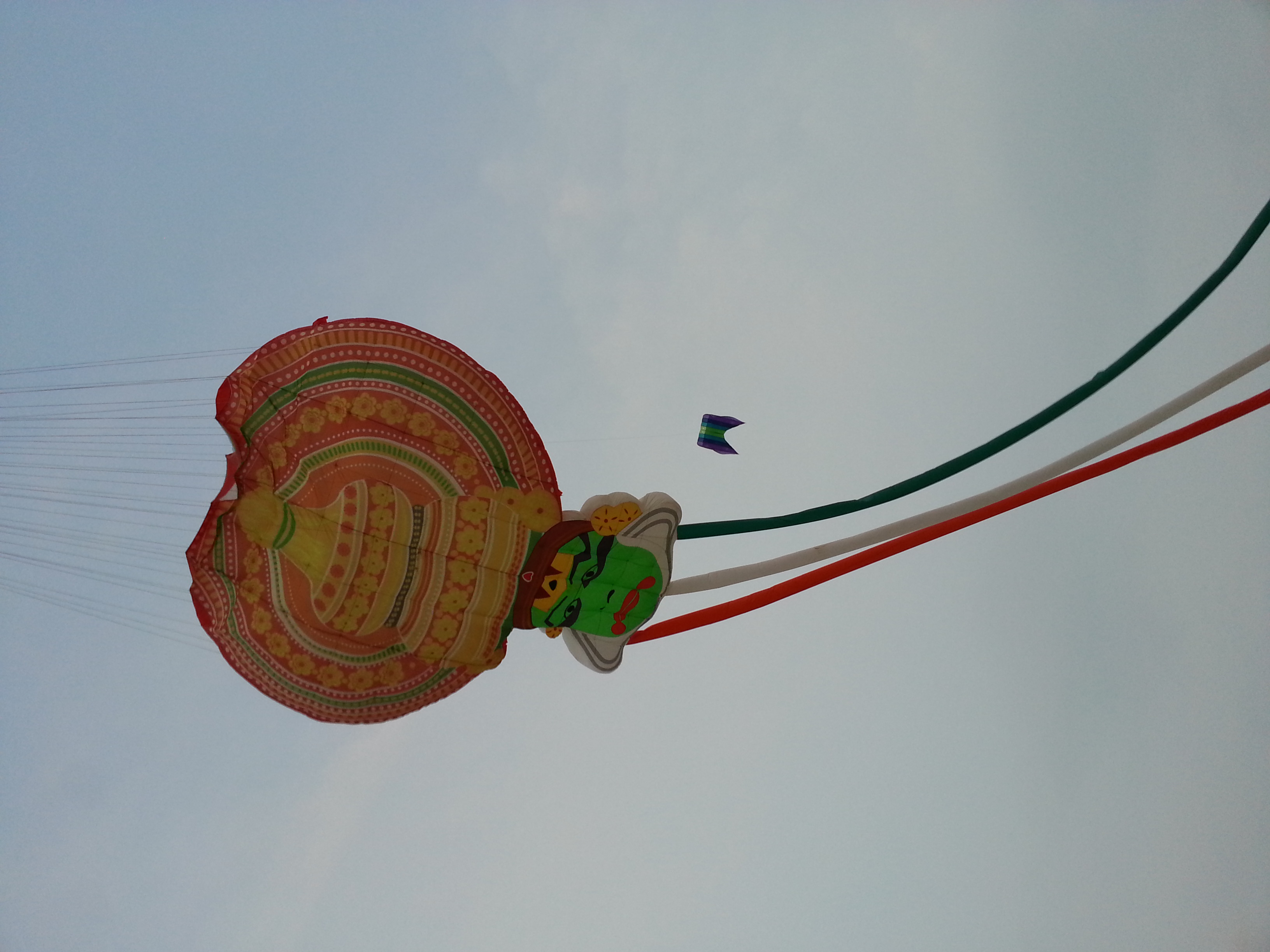
    Kites and related pictures, carvings and other evidences have been found at various places around the world but historians believe that the first kite may have originated in Asia but it is still unknown where and by whom this wonderful thing was created and discovered in Asia. An image of a kite made in a cave on Muna Island in the island region of Sulawesi in the south-east of the Asian country Indonesia about 10,500 years ago suggests that the people of that time knew how to make and fly kites. People there still seem to fly the same kind of kite today.

    Similar historical evidence has been found in China, a country in Asia. The kite is also described by the Chinese philosopher Mozi about 2500 years ago. At that time silk was used as a kite material and bamboo rods were used for framing. Paper kites began to be made instead of silk in the fifth century after the invention of paper, but these paper kites began to be used as a sign of salvation in war or in times of trouble. History has it that kites were used in ancient and medieval China to measure distances, measure wind direction and force, lift people, signaling and communications for military operations.

When did kite flying start in India?

    There is no definite evidence of kite origin in India. Many historians believe that the kite and its uses in India coincided with that of China and were introduced to India by their monks at the time of the spread of Buddhism. It is noteworthy that the kite has got a new color in India as the kites used in ancient India are different from those of China and other countries. Kites of ancient India were made in the shape of a fighter and kite flying was made a sport in Mughal times which is still a means of entertainment for children and youth during Makarsankranti. For the last two decades, Kite Festival has been organized by the government in Gujarat which was celebrated in many places in India even in the 17th and 18th centuries.

Kite in the world

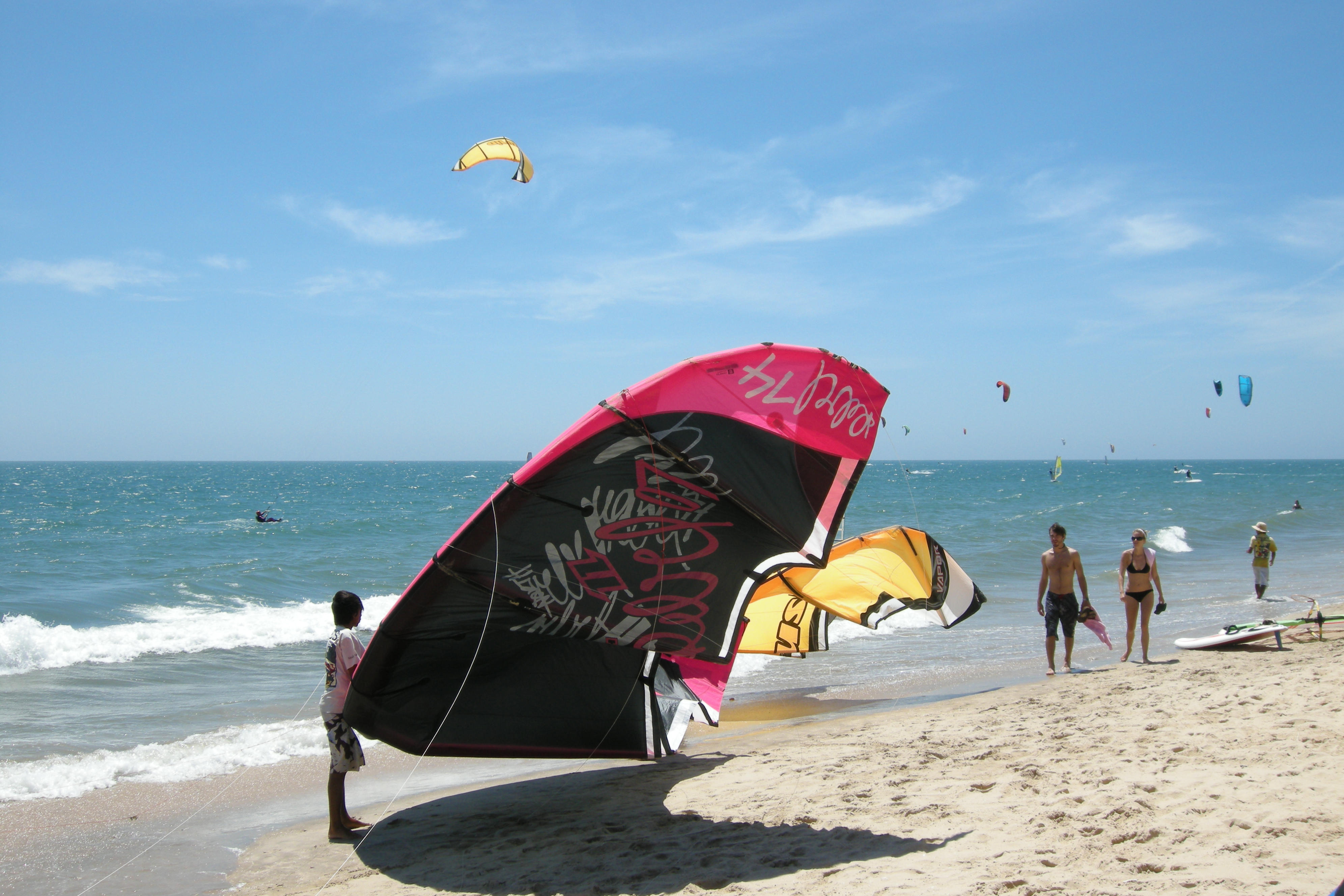
    Kite is a fun and sporting sport in countries around the world. Kite flying festivals take place in different countries and people enjoy kite flying at different times throughout the year. In particular, various Asian countries including India, Afghanistan, Pakistan, Nepal, China, Indonesia, Japan and Singapore prefer to fly kites at different times. 

    Kite flying is considered to be a very popular sport in Afghanistan. Like in India, threads are colored with pulverized thin glass so that one can patch another kite and cut the kite for fun. The Taliban government banned kite flying, making it difficult to fly kites in Afghanistan now days.

    In Pakistan, kite flying is called “goodie bazzi” or “patang bazzi”. Pakistan also has an old tradition of flying kites in the spring. In Pakistan, spring is celebrated as “Jashn E Baharan”. In Pakistan, as in India, the threads are sharpened in glass and paint and then patched.

    The earliest evidence of kite flying is found in Indonesia and especially in Bali. Bali kites are found in various shapes all over the world. In Vietnam, instead of kite tails, small flutes are used to make a melodious sound due to the wind. Even in Malaysia, whistles are blown on the tail and kites are flown with joy.

    People in the hilly areas of Nepal in which “Newar or Nepami” people fly kites a lot. Nepal prefers kite flying in August-September as opposed to Asian countries.

    In India, Gujarat, Bihar, Uttar Pradesh, Rajasthan, Haryana and Punjab are known for their kite flying and patchwork. Different types of kites, stretch strings, kites of different shapes, lanterns, toys, balloons are the highlight of Indian kite flying. The kite festival in India is mostly celebrated in Makarsankrati which is on 14th January but kite flying is also done in different parts of India like Nepal at different times. When kites are flown in Hyderabad in December, the tradition of kite flying in the north on Republic Day, Independence Day, Rakshabandhan, Vishwakarma Puja Day and Janmashtami is according to the area.

    Apart from this, people in some parts of Europe, America, New Zealand and Polynesia are also enjoying this kite.

Why is kite fun and care so important?

We find that kite fun is especially popular with children. It is natural for every child to have fun flying a kite in the open air but it requires a lot of caution on the roof or high place as well as open wires or other hanging objects around. There is also a lot of tension in the cut kite so that the cut kite string can get stuck in the neck or other parts when passing through the road or any other place and it can harm us. Often a two-wheeler passing by can hit the driver of a vehicle and even slit his throat.

    As dangerous as the kite's string can be to us, it is also a danger to the birds. Thousands of birds die in Sankrati every year. There is also a lot of noise pollution caused by loud loudspeakers and bugles which is harmful to every living insect and human.


    Chinese toys, cords, lanterns are proving to be harmful in every way. Chinese-made plastic cords can cut a lot of kites, but they can also damage birds and the environment. Along with this, toys like lanterns and tukkal have to be able to set fire to any place. The whole world is facing a lot of difficulties from China and China in particular is responsible for the border dispute with India and spoiling its dealings with every one of India's neighbors. China trades more than 15% in India so buying Chinese goods may be to our detriment in the future.

Image Courtesy: Google Images

Dr. Hardik B. Ramani

Follow Me on YouTube: Knowledge4 All

Follow Me on Blogger: https://www.drhbramani.com/

Follow me on Facebook: https://www.facebook.com/drhbramani

Mo: 8980001554

Email: hardik.ramani@gmail.com

Dolo 650 - "Everyone's Favorite in the Corona epidemic"

Hello Everyone,

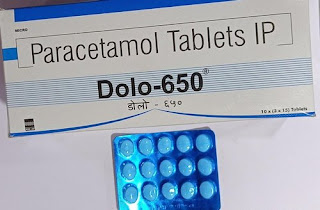
Usually when a person gets sick we go to the doctor for medicine or treatment. In this treatment, the medicine prescribed in the doctor's prescription seems to be written in foreign language and even if the doctor or the pharmacist has mentioned the name, we can’t even pronounce perfectly. In this corona, a medicine has come to mind as if God has fulfilled the desire of every person to become a doctor, and as if someone is expressing his problem and the problem is not finished, the name "Dolo" bursts out of our mouth. We even give the name of this medicine with such precision that no one knows about this medicine and we are the doctors.

We all know what happened to mankind in the Corona epidemic. Millions have lost their lives and millions have fallen victim to the disease. The disease attacks the body's immune system to such an extent that the body's entire defensive system falls to its knees. In the beginning, when our body starts fighting against this virus, if even a small external support is given to our body, then in most cases, our body will defeat hundreds of viruses like Corona or similar. That's all there is to it. Today we are going to know about this Corona hero named DOLO. What is this Dolo? Where does it come from? Who makes it? How is it different from other drugs like it? And for what reasons has this DOLO been protecting us from a terrible disease like corona? We will also find out what are the different uses of this drug and what can be harmed by its frequent use?

What is Dolo-650?

Dolo-650 is a common analgesic (painkiller) and antipyretic (to reduce fever), a medicine used by doctors to treat headaches, migraines, toothaches, and menstrual cramps, joint or bone pain, and muscle aches. Complaints of mild to moderate pain, including pain in the pelvis and reduction of fever, are prescribed. When an unnatural condition develops in our body or an external bacterium or virus enters the body and tries to do damage or injuries the body, a chemical secretion called "prostaglandins" is spread in the body which makes us feel pain or fever. Prostaglandins also have many benefits and cause pain, inflammation and fever. The most important ingredient in Dolo 650 is paracetamol which prevents prostaglandins from reaching the body and brain. As well as antipyretic content works by resetting the temperature regulation center in our brain.

What is paracetamol and when was it discovered?

The main chemical in Dolo 650 medicine is "paracetamol" and it is also known as acetaminophen. Paracetamol is less effective but less harmful than other drugs such as ibuprofen, aspirin and caffeine. Paracetamol is also often used in combination with aspirin and caffeine. 

The earliest paracetamol was developed by Harmon Northrop Morse in 1877, but it was tested on humans as well as its efficacy by Joseph von Mering in 1887, making Joseph Mering the first inventor of paracetamol. This was followed by the German multinational drug company Bayar, which first started making paracetamol as a drug. Paracetamol was developed worldwide after 1955 to be used at home without a doctor's prescription. For 70 years after the discovery of paracetamol, it has been given to people without any other significant research, after which research on the use of this chemical in various ways has been banned in various countries due to its harmful effects on many human beings.

The US FDA (Food and Drug Administration) has banned the use of several types of paracetamol due to its potential for carcinogenicity, based on numerous researches on paracetamol. As well as in many countries around the world there is a partial band on the use of paracetamol due to overdose of paracetamol and many other side effects.

Which company is making Dolo 650? And its history ...

Dolo 650, a very popular and common medicine today, is being manufactured by Micro Labs Limited, a Bangalore based company in India. The best and most effective treatment for fever and symptoms in Corona is a drug that is on the market in the 90's, not just today. Founder of Micro Labs Limited, Mr. G. C. Surana has started this company in 1973 in Chennai. Earlier, Suranaji was working in a pharmaceutical company in Delhi. Today his son Dilip Surana is managing to the company in his place. Amidst the dire situation in Corona, the Dolo 650 made by Suranaji's company, Micro Labs, did a great deal of business and is currently under discussion. According to a survey, the company has sold an estimated 350 million dollars worth of drugs in India since Corona, which people are comparing to the height of the Burj Khalifa tower. With around 9,200 employees working in the micro-lab today, the company has an estimated annual turnover of Rs 2,700 crore, including exports of Rs 920 crore.

What makes Dolo 650 medicine so popular? And how is it different from other competitive drugs?

The Dolo 650 is a very effective drug for people of any age, from 2 years of age to any age with very few side effects. The drug can be used as a "many problem but one solution" to complaints of mild to moderate pain, including headache, migraine, toothache, menstrual cramps, joint or bone pain, muscle aches and fever. This drug is very cheap compared to its other competing medicine and since it has been in the market for over 30 years, it has been easily available all over India with full stock. This drug is easier to say or remember than any other drug and people have been buying it directly from the medical store and have been suggesting others to use it as well.

Does Dolo 650 have any Side Effects?

Taking any paracetamol drug without a doctor's prescription is harmful to our body but the side effects of Dolo 650 are much less than other paracetamol. According to research on the drug paracetamol, if this chemical is used in large quantities in our body, this drug can become a slow poison for us. For people who drink alcohol, paracetamol can do a lot of damage to their liver, so doctors are also advising people not to drink alcohol before or after taking the drug. In addition, pregnant women or breastfeeding women should take less or no paracetamol. People with liver and kidney disease are also prohibited from being given paracetamol by doctors. This is the reason why bandaging paracetamol and its direct use in different countries of the world today.

Image Courtesy: Google Images

Dr. Hardik B. Ramani

Follow Me on YouTube: Knowledge4 All

Follow Me on Blogger: https://www.drhbramani.com/

Follow me on Facebook: https://www.facebook.com/drhbramani

Mo: 8980001554

Email: hardik.ramani@gmail.com


Today's Knowledge

True Happiness for any Human being.... સાચું સુખ શું છે?

 આજના સમય મુજબ કોઈ કહી શકે કે , What is True Happiness for any Human being ?? આજની સાચી દુનિયા એટલે , સોશિયલ મીડિયા.. અને જ્યારથી લોકો...

Reader's Choice